Díjazottak / 2017 / Vizuális kommunikáció kategória
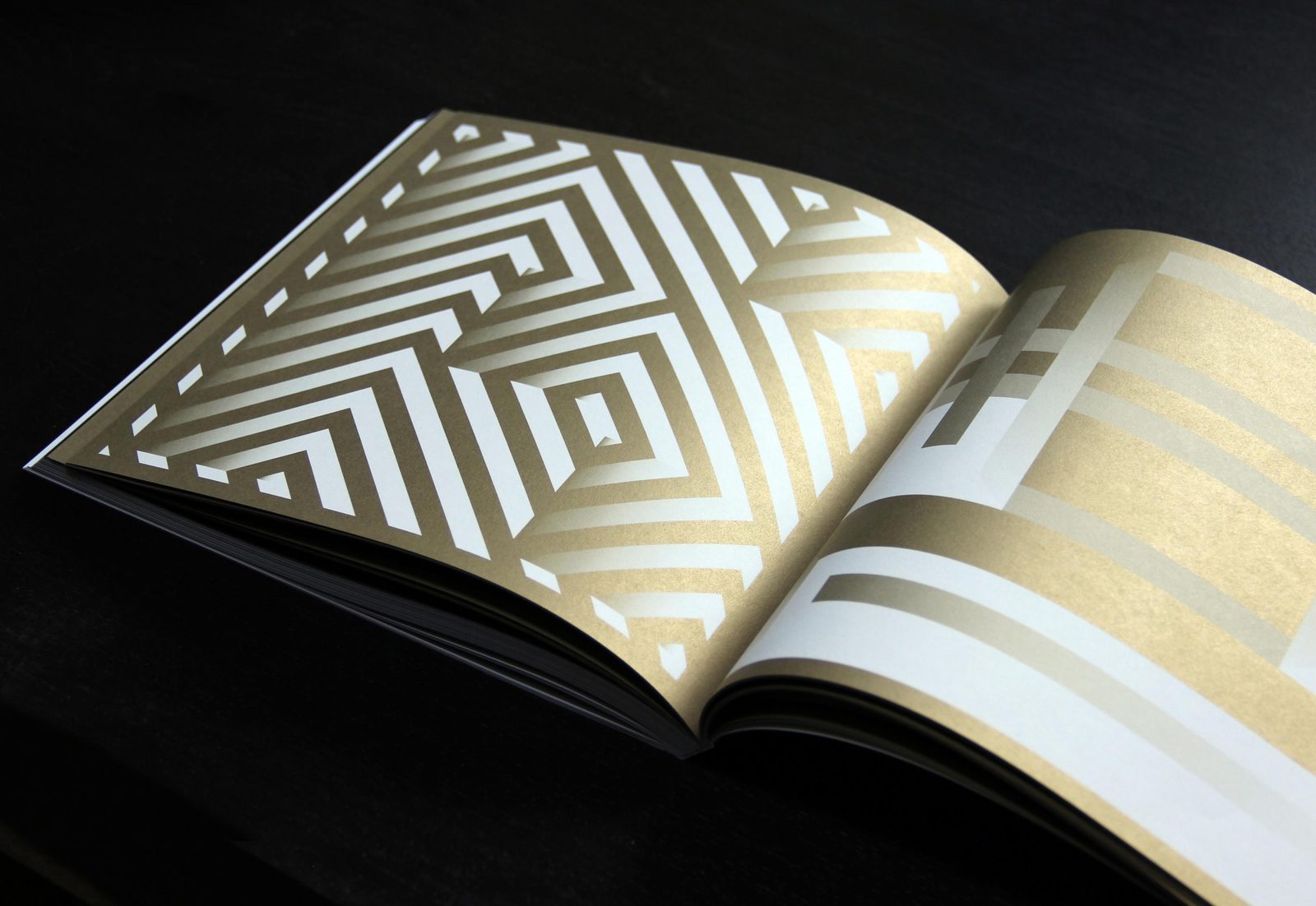
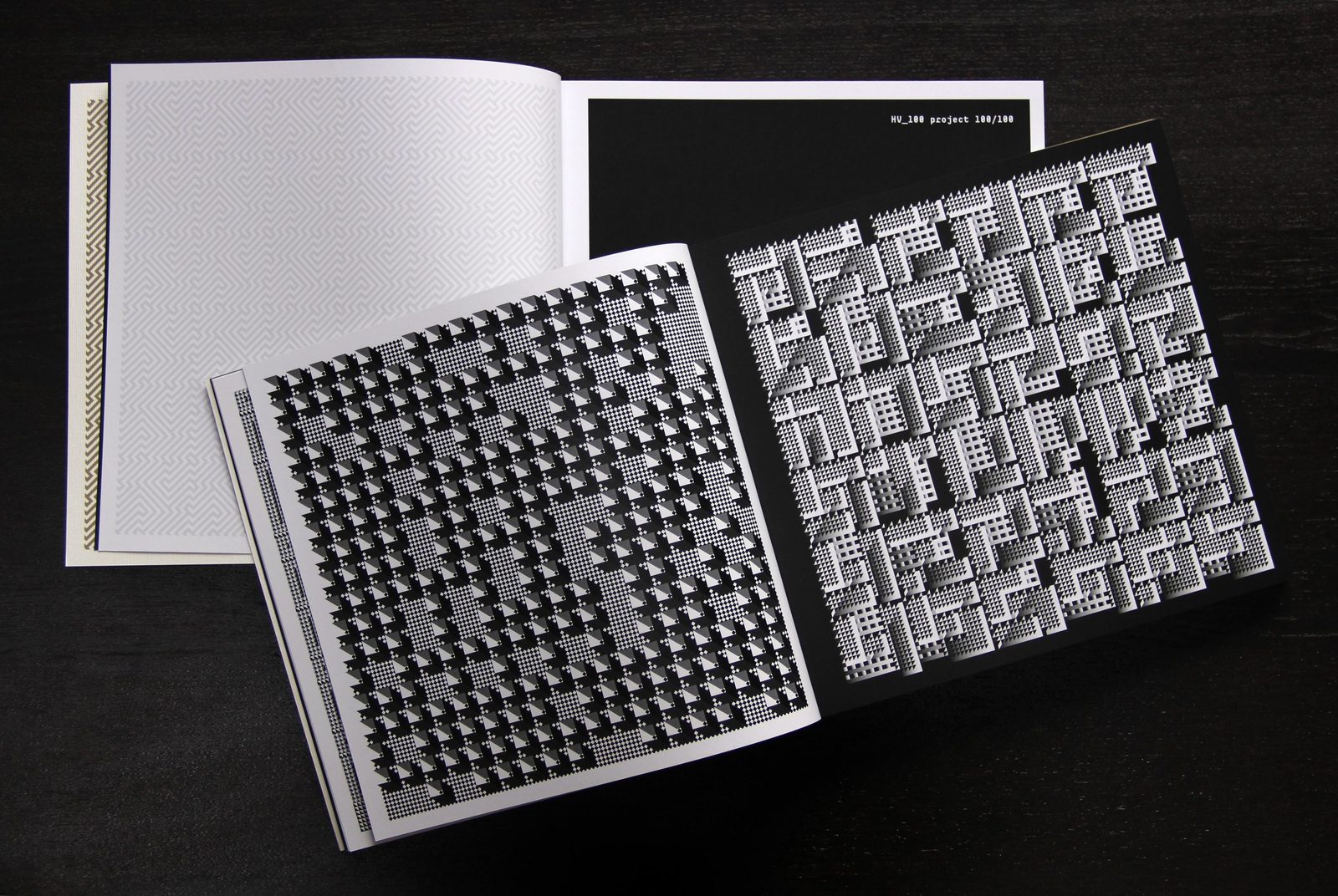
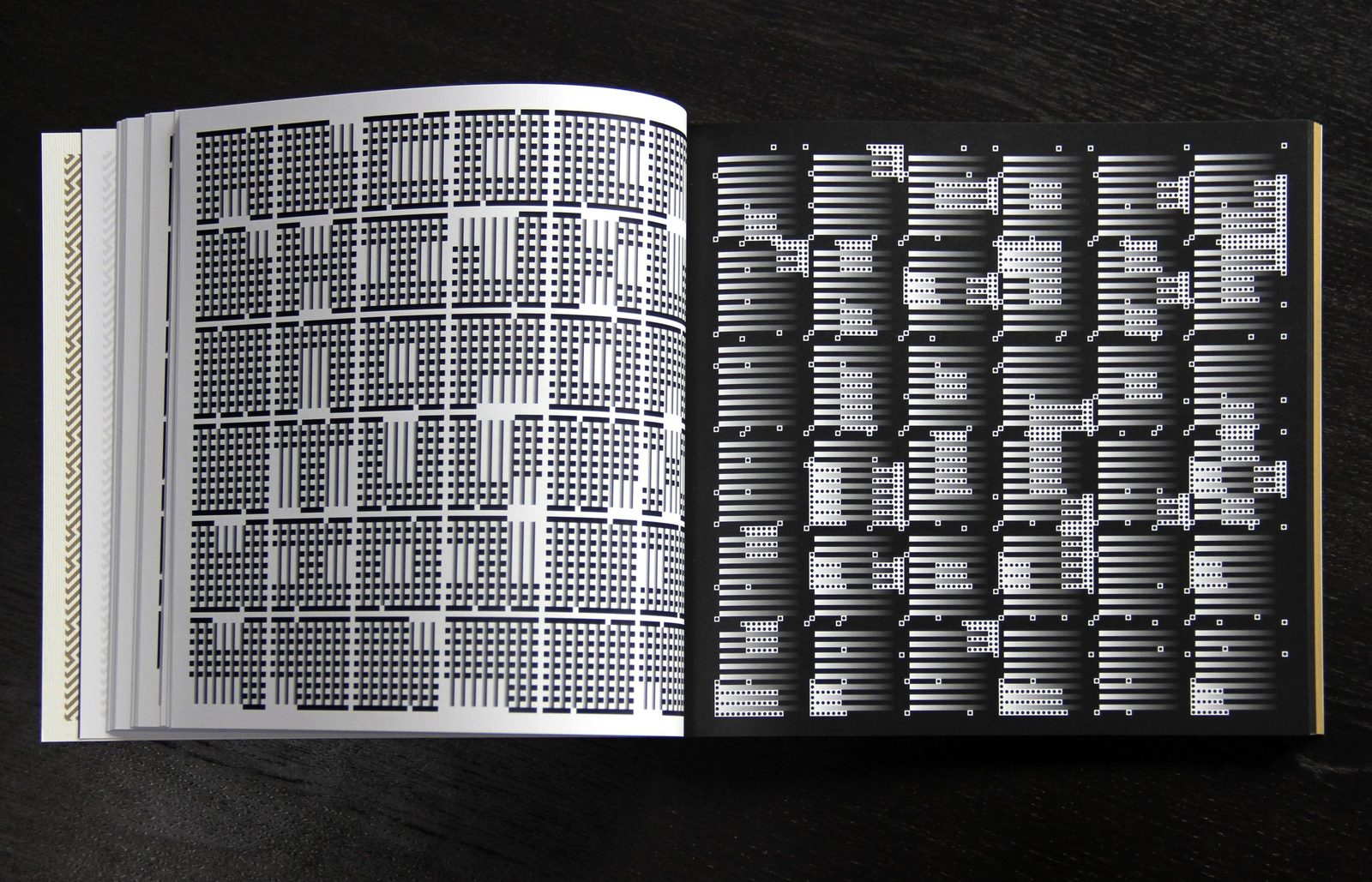
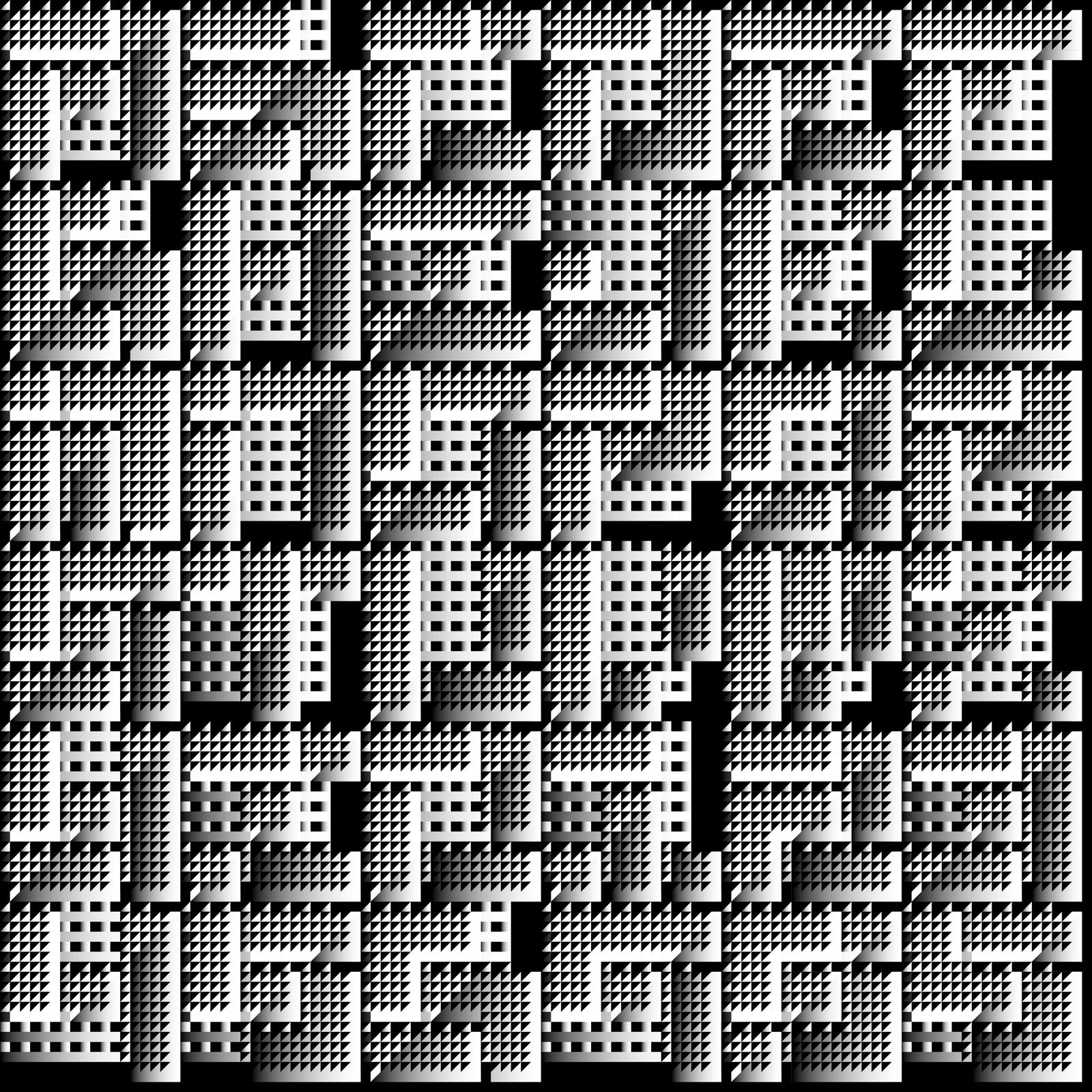
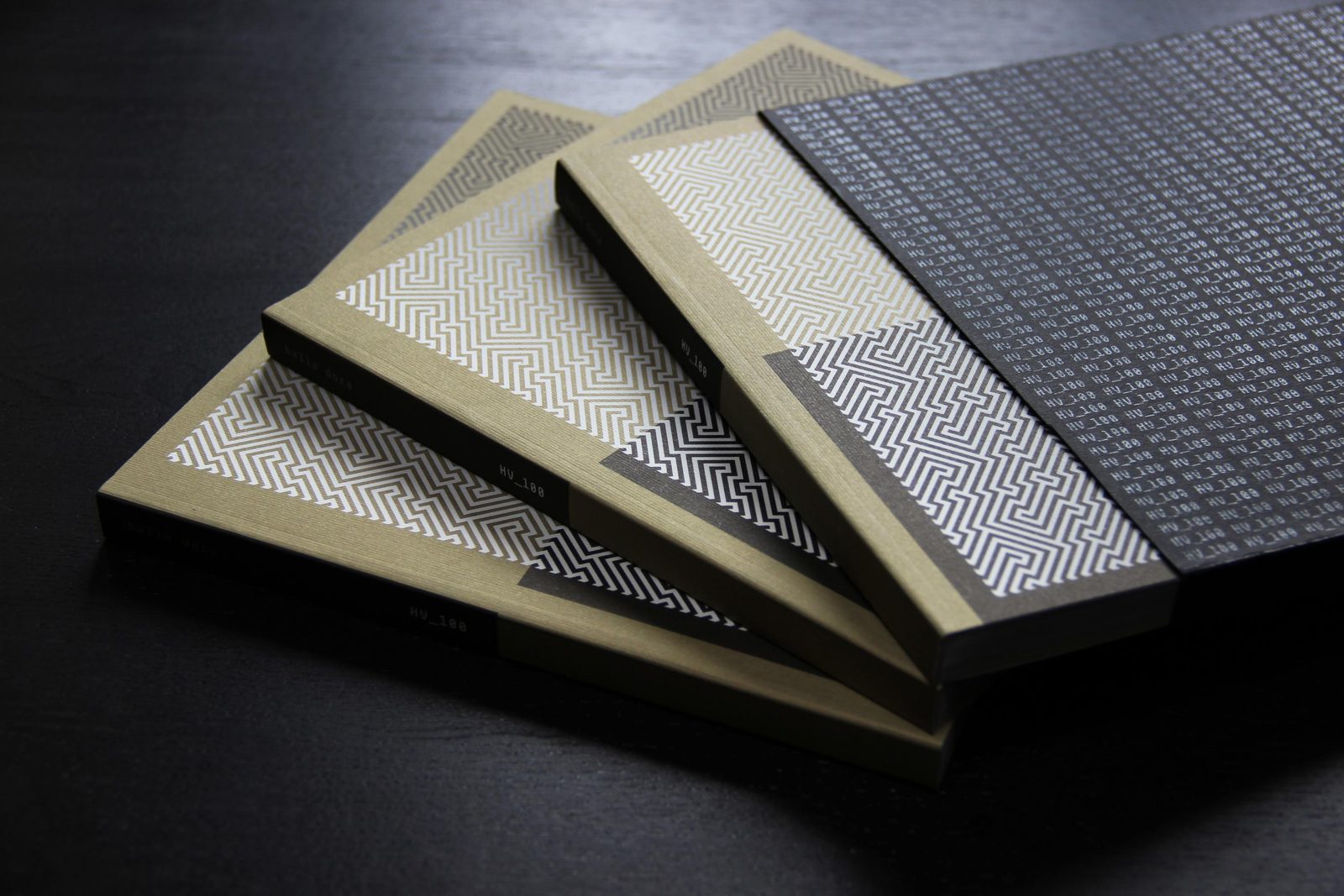
HV_100 Projekt – betűtervezés és könyv
HV_100 project – typeface design and project book
- Alkotók|Designers
- BALLA Dóra ↗
- Gyártó|Manufacturer
- Elektroproduct Nyomdaipari Kft.
- Fotó|Photography
- BALLA Nóra
Leírás
Bizottsági indoklás: A HV_100 projekt különleges vállalkozás, mely a múltat köti össze a jelennel egy kevéssé köztudott, ám jelentős kultúrtörténeti esemény századik évfordulója kapcsán. Ráirányítja a figyelmet arra, hogy volt egy korszak, mikor magyar alkotók igen aktív szerepet játszottak a legprogresszívebb nemzetközi művészeti és designmozgalmak kialakításában. Moholy-Nagy László vagy Breuer Marcell mellett Huszár Vilmos munkássága talán kevésbé közismert, holott szerepe szintén meghatározó volt. A könyv azonban nem pusztán emléket állít az eseménynek, hanem kortárs alkotói viszonyt határoz meg azzal, hogy Huszár De Stijl formavilágát mai helyzetbe emeli. Ez a gondolkodásmód képezi a betűkoncept alapját, de a megtervezett száz betűkészlet közlése túllép az emlékezés és tisztelet kifejezésén, és egyértelműen autonóm viszonyt alakít ki. Ennek összegzése és dokumentálása a HV_100 című könyv, mely gondos megformáltságával, finom részleteivel, redukált színvilágával és mértéktartó gesztusaival határozott kiállás kultúránk egyetemes értékei mellett.
A bírálóbizottság indoklása
Inspired by the 100th anniversary of a lesser known yet important event of cultural history – the design of the cover of the De Stijl magazine by Vilmos Huszár in 1917 – the HV_100 project is a unique undertaking aimed at connecting the past with the present. It directs attention to an era when Hungarian creative genius played an active part in shaping the most progressive international art and design movements. Although not as widely known as that of László Moholy-Nagy and Marcell Breuer, the life’s work of Vilmos Huszár was of great significance. Dóra Balla’s book, however, is more than celebrating an anniversary: it establishes a contemporary creative link with Huszár’s De Stijl design by placing it into a modern-day context. This approach forms the basis of the font concept but the publication of the 100 font sets in this volume goes well beyond the commemoration and the expression of reverence for Huszár’s work: it creates an unambiguously autonomous relation to it. The HV_100 project book summarises and documents this relationship, and thanks to its carefully elaborated design, subtle details, reduced palette and moderate gestures, it is a clear declaration of standing by the international contributions made by Hungarian culture